
Moving is often described in practical terms: packing boxes, finding housing, changing addresses, arranging visas, shipping belongings. But beneath the logistics lies something far more profound. Relocation has a unique way of shaking your internal compass. It doesn’t just move your body from one place to another; it moves your values, your habits, and your understanding of what truly matters.
For many people, moving becomes a turning point. It forces a reckoning with priorities that once felt fixed and unquestionable. What you valued before may no longer serve you. What you overlooked may suddenly become essential. In this way, relocation becomes less about geography and more about transformation.
At Relocately, we see this every day. People come to us looking for support with the “how” of moving, but what they often experience is a deeper shift in the “why” of their lives.
The Illusion of Stability Before a Move

Before relocating, most people live inside systems they rarely question. Daily routines, social expectations, work structures, and even personal identities become normalized through repetition. You know where to shop, how long your commute takes, who to call in an emergency. These patterns create a sense of stability but also inertia.
In that state, priorities often go unexamined. You may believe your job is your top concern, or that material comfort defines success, simply because your environment reinforces those ideas. It’s not that these priorities are wrong, but they’re rarely chosen consciously.
Moving disrupts this illusion of stability. When everything familiar is stripped away, you’re forced to ask questions you may have avoided for years:
What do I actually need? What am I holding onto out of habit? Who am I without my usual reference points?
Relocation introduces friction, and friction reveals truth.
When Convenience Disappears, Values Appear
One of the first things people notice after moving is the loss of convenience. Tasks that were once effortless can suddenly feel overwhelming. Language barriers, unfamiliar systems, and cultural differences add layers of complexity to everyday life.
Yet it’s precisely this loss of convenience that clarifies priorities.
When time and energy become scarce resources, you become more intentional with both. You may find yourself cutting back on social obligations that don’t truly matter, simplifying your schedule, or redefining what “productive” looks like. Many people discover that they were previously overcommitted to things that brought little meaning.
In a new environment, you quickly learn to ask: Is this worth my effort right now? And that question reshapes everything.
Career: Status Versus Fulfillment
Relocation often forces a reassessment of career priorities. Titles, prestige, and professional status can lose their weight when you’re navigating visa restrictions, job market differences, or temporary unemployment. For some, this feels destabilizing. For others, it’s liberating.
Many movers realize that their previous career identity was closely tied to social recognition rather than personal fulfillment. When those external markers disappear, what remains is a more honest question: What kind of work do I want to do and why?
Some people choose to pivot careers after moving. Others accept roles with lower status but higher quality of life. Remote work, flexible schedules, and work-life balance often rise in importance, especially when exposure to new cultures reveals alternative definitions of success.
Relocation doesn’t diminish ambition, it refines it.
Relationships Take Center Stage
Few things redefine priorities more dramatically than distance from loved ones. Moving away from family, friends, and familiar support systems highlights how central relationships truly are.
In many cases, people only realize the emotional weight of their connections once they’re no longer physically present. Video calls replace shared meals. Time zones complicate spontaneity. Holidays feel different. These changes can be painful but they also bring clarity.
Movers often become more intentional about who they invest in. Relationships based on proximity may fade, while those rooted in mutual care endure. New friendships, formed under vulnerable circumstances, often grow faster and deeper than those built at home.
Relocation teaches a powerful lesson: meaningful relationships require effort, presence, and choice, not convenience.
Material Possessions Lose Their Power
Packing your life into boxes has a way of exposing how much you own and how little of it you truly need. Many movers are surprised by how emotionally detached they feel from objects they once considered essential.
International moves, in particular, force hard decisions. Shipping costs, storage limitations, and customs regulations make it impractical to bring everything. As a result, people prioritize differently: essentials over excess, functionality over sentiment.
This physical decluttering often triggers a mental shift. Experiences begin to outweigh possessions. Freedom becomes more valuable than accumulation. The idea of “enough” replaces the pursuit of “more.”
For many, moving marks the beginning of a more minimalist, intentional lifestyle.
Health and Well-Being Become Non-Negotiable
In unfamiliar environments, health moves to the forefront. Navigating new healthcare systems, adjusting to different foods, climates, and daily rhythms can be challenging. When your body and mind are under stress, well-being is no longer an abstract concept, it’s immediate and personal.
Many movers become more attentive to mental health after relocating. Loneliness, culture shock, and identity shifts are common, and they require self-awareness and care. Sleep, exercise, nutrition, and emotional regulation often become top priorities.
This focus isn’t indulgent, it’s necessary. Relocation teaches that without physical and mental well-being, everything else becomes harder to sustain.
Time Is Re-Evaluated
Moving makes time visible. Suddenly, time is spent learning instead of cruising on autopilot. Simple errands take longer. Conversations require more focus. Planning becomes essential.
This heightened awareness often leads people to reassess how they spend their time. Long commutes, excessive screen time, and overpacked schedules may start to feel wasteful. In contrast, slow mornings, meaningful conversations, and moments of exploration gain value.
In many cultures, relocation also introduces different relationships with time. Some societies prioritize rest and community over constant productivity. Exposure to these alternatives can deeply influence how movers redefine success and balance.
Time, once taken for granted, becomes one of the most carefully guarded priorities.
Identity Is Reconstructed
Perhaps the most profound shift caused by relocation is the redefinition of identity. In a new country or city, familiar labels may no longer carry the same meaning or recognition.
This can feel unsettling. But it also opens space for reinvention.
When you’re no longer seen solely through the lens of your past, you gain freedom to explore new versions of yourself. You may adopt new habits, beliefs, or ways of expressing yourself. You may question assumptions you once held without hesitation.
Relocation doesn’t erase identity, it makes it more intentional.
Adaptability Becomes a Core Value
Life in a new environment demands constant adjustment. Plans don’t always hold. Expectations shift. Missteps are inevitable. Over time, the need to adapt reveals an important truth: flexibility often matters more than control.
Many people find that relocation softens rigidity and strengthens resilience. Navigating unfamiliar systems and cultures teaches them to sit with uncertainty, accept ambiguity, and respond thoughtfully rather than react instinctively. These abilities rarely stay confined to the move itself; they ripple outward into relationships, career choices, and everyday decision-making.
Adaptability, then, is no longer just a tool for getting through change. It becomes a value in its own right, one that enables growth, confidence, and a deeper sense of agency in an ever-changing world.
What Relocation Ultimately Teaches Us
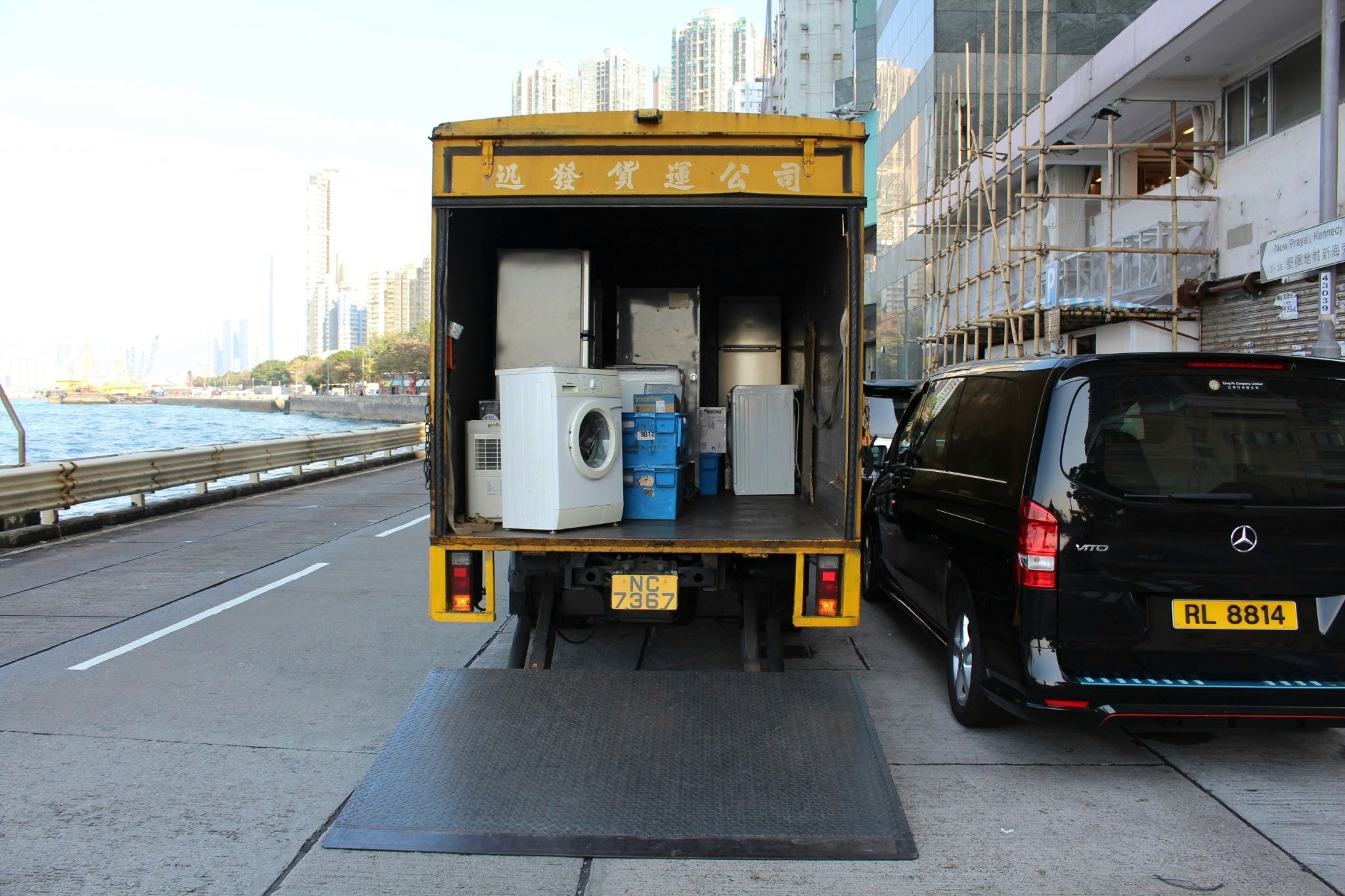
At its core, relocation compels us to face a fundamental question: what truly sustains us when everything familiar falls away? By removing the structures we rely on for comfort and certainty, moving strips life back to its essentials and invites us to rebuild with greater intention.
Those who relocate often emerge with sharper clarity about what really matters. Priorities shift, sometimes quietly, sometimes dramatically:
Meaning begins to outweigh appearances
Relationships take precedence over routines
Well-being becomes more important than constant busyness
Experiences gain value over possessions
Purpose starts to matter more than comfort
This transformation doesn’t come without cost. Relocation can be tiring, emotionally demanding, and deeply unpredictable. Yet within that very disruption lies its greatest gift: the opportunity to realign your life with what genuinely matters, rather than what once felt convenient or expected.
Redefining Priorities Is Not a Side Effect, It’s the Point
Moving doesn’t just force you to redefine priorities by accident. In many ways, that redefinition is the hidden purpose of the journey.
When you leave what’s familiar, you gain perspective. When you start over, you choose more carefully. And when you rebuild, you do so with greater intention.
Relocation reminds us that priorities are not fixed, they evolve. And sometimes, the most meaningful change doesn’t come from staying grounded, but from allowing yourself to move.


